Your Home's Air May Be More Polluted Than You Think
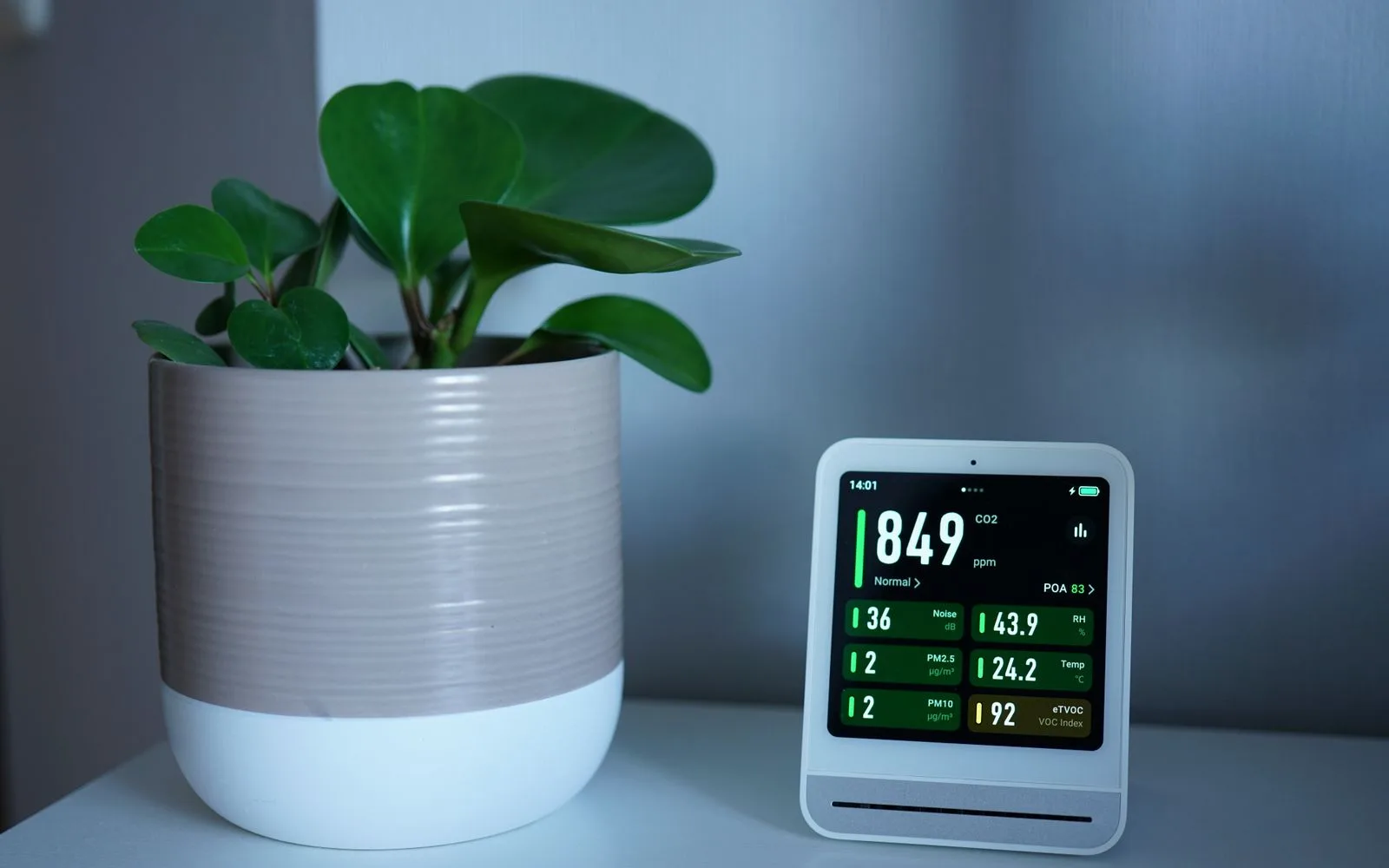
Indoor air quality (IAQ) is one of the most overlooked aspects of home comfort in the Greater Toronto Area. During our long heating seasons — often running from October through April — GTA homes are sealed tight against the cold, and whatever is floating in your air stays circulating through your HVAC system day after day. Dust, pet dander, mould spores, volatile organic compounds (VOCs) from furniture and cleaning products, and combustion by-products from gas furnaces can all accumulate to levels that affect sleep, allergies, and long-term respiratory health.
The good news: most indoor air quality problems are solvable with the right combination of maintenance habits and professional service.
What Actually Causes Poor Indoor Air Quality in GTA Homes?
### 1. Sealed Buildings and Low Ventilation
Toronto's climate demands well-insulated, tightly sealed homes. That efficiency is great for your energy bill but it means stale, pollutant-laden air has fewer opportunities to escape. Older homes retrofitted with new windows and insulation are particularly susceptible because they were designed for a different level of air exchange.
### 2. Dirty Air Ducts and Filters
Your forced-air heating and cooling system moves hundreds of cubic feet of air through your ductwork every hour. When ducts accumulate dust, debris, or mould — which is common in Toronto homes that have never had their ductwork professionally cleaned — that material gets redistributed every time the system runs. A clogged or low-quality air filter compounds the problem by allowing finer particles to pass through.
### 3. Humidity Imbalances
Toronto winters are dry. Indoor relative humidity in a sealed home can drop below 25% when outdoor temperatures plunge, which irritates airways, dries out skin, and can cause static buildup. Conversely, high summer humidity encourages mould growth inside ductwork and around HVAC components. Keeping indoor humidity between roughly 35% and 50% year-round is the target.
### 4. Combustion Appliances
Gas furnaces, water heaters, fireplaces, and stoves all produce combustion by-products. A properly maintained and vented appliance channels these gases outside, but a cracked heat exchanger or blocked flue can allow carbon monoxide and other pollutants into your living space. Annual furnace inspections are the frontline defence against this risk.
### 5. Building Materials and VOCs
New construction, renovations, and even everyday products like paint, cabinetry, and flooring off-gas VOCs over time. In Toronto's active renovation and condo-conversion market, this is a real concern — especially in units like those seen in condo HVAC replacement projects where new systems interact with recently upgraded interiors.
Practical Steps to Improve Your Home's Air Quality
### Upgrade and Change Filters Regularly
The filter in your furnace or air handler is your first line of defence. A MERV 8 filter captures most household dust and dander; MERV 11–13 filters capture finer particles including some bacteria and mould spores. Check your filter monthly during heavy-use seasons and replace it at least every three months — more often if you have pets or do home renovation work.
### Schedule Professional Air Duct Cleaning
Even with good filter habits, ducts accumulate debris over years. A professional duct cleaning removes built-up dust, allergens, and potential mould from inside the ductwork, improving both air quality and system efficiency. This is especially valuable in older Toronto detached homes or in condos where HVAC systems have not been serviced in several years.
### Install or Service a Whole-Home Humidifier
A furnace-mounted humidifier adds controlled moisture to your heated air throughout the winter, keeping relative humidity in the healthy range without the hassle of portable units. These systems are serviced annually as part of a good HVAC maintenance routine.
### Ensure Proper Ventilation
Heat Recovery Ventilators (HRVs) and Energy Recovery Ventilators (ERVs) are increasingly common in new Toronto builds and are an excellent retrofit option for older homes. They exhaust stale indoor air while capturing up to 80% of the heat from that outgoing air and transferring it to fresh incoming air — giving you ventilation without wasting energy.
### Test for Carbon Monoxide and Radon
Install certified CO detectors on every floor, and consider a radon test kit if your home has a basement. Radon is a naturally occurring radioactive gas that seeps from soil and can accumulate in lower levels of GTA homes built on certain geological formations.
### Keep HVAC Coils and Drain Pans Clean
Evaporator coils and drain pans in your air conditioning system are prime locations for mould growth when they stay damp. Annual AC tune-ups that include coil cleaning and drain pan treatment are part of a complete IAQ strategy.
When to Call a Professional
If household members experience unexplained allergy symptoms, persistent respiratory irritation, or you notice musty odours when the HVAC system runs, it is time to bring in a licensed HVAC technician. A professional can assess your ductwork, inspect the heat exchanger, test airflow, and recommend targeted solutions rather than guesswork.
Home Standard (嘉诚冷暖工程) serves Toronto and the GTA with comprehensive HVAC inspection, installation, and air quality improvement services — including condo HVAC replacements and full residential system upgrades.
FAQ
Q: How do I know if my indoor air quality is bad?
A: Common signs include persistent allergy or asthma symptoms that improve when you leave the house, visible dust buildup on vents and registers, musty or stale odours when the HVAC runs, and unusually dry skin or throat during winter. An HVAC professional can also perform airflow and system checks that reveal hidden problems.
Q: How often should I replace my furnace filter in Toronto?
A: At minimum every three months during the heating season, but monthly checks are ideal. If you have pets, children with allergies, or do any home renovation work, increase replacement frequency to every four to six weeks.
Q: Does air duct cleaning really improve air quality?
A: Yes, particularly in homes where ducts have never been professionally cleaned or where there is visible mould, heavy debris, or pest activity inside the system. It is not a substitute for regular filter changes, but it addresses the accumulated contamination that filters alone cannot remove from inside the ductwork.
Q: Can a new furnace improve indoor air quality?
A: Absolutely. Modern high-efficiency furnaces have better sealed combustion, improved heat exchanger designs that reduce the risk of by-product leakage, and compatibility with advanced filtration and humidity control equipment — all of which contribute to cleaner indoor air.