Why AC Maintenance Isn't Optional in the GTA
Toronto summers have gotten hotter. Heat warnings from Environment Canada now occur multiple times each season, with humidex values regularly hitting 40°C or higher. An air conditioner that hasn't been properly maintained going into those conditions isn't just inefficient — it's a breakdown waiting to happen at exactly the wrong moment.
Beyond comfort, a well-maintained central AC system uses meaningfully less electricity, lasts significantly longer, and keeps your indoor humidity under control — which matters for both air quality and the structural integrity of your home.
---
When Should You Schedule AC Maintenance in Toronto?
The ideal window is late April to late May — after the risk of frost has passed but before the first true heat wave hits. Booking in spring means:
- Technicians are more available (summer is peak season with longer wait times)
- Any issues discovered can be addressed before you need the system
- Refrigerant levels can be checked and topped up if needed before hot weather arrives
If you missed spring maintenance and it's already summer, don't skip it entirely — a mid-season tune-up is still far better than running an unchecked system.
---
What a Professional AC Tune-Up Covers
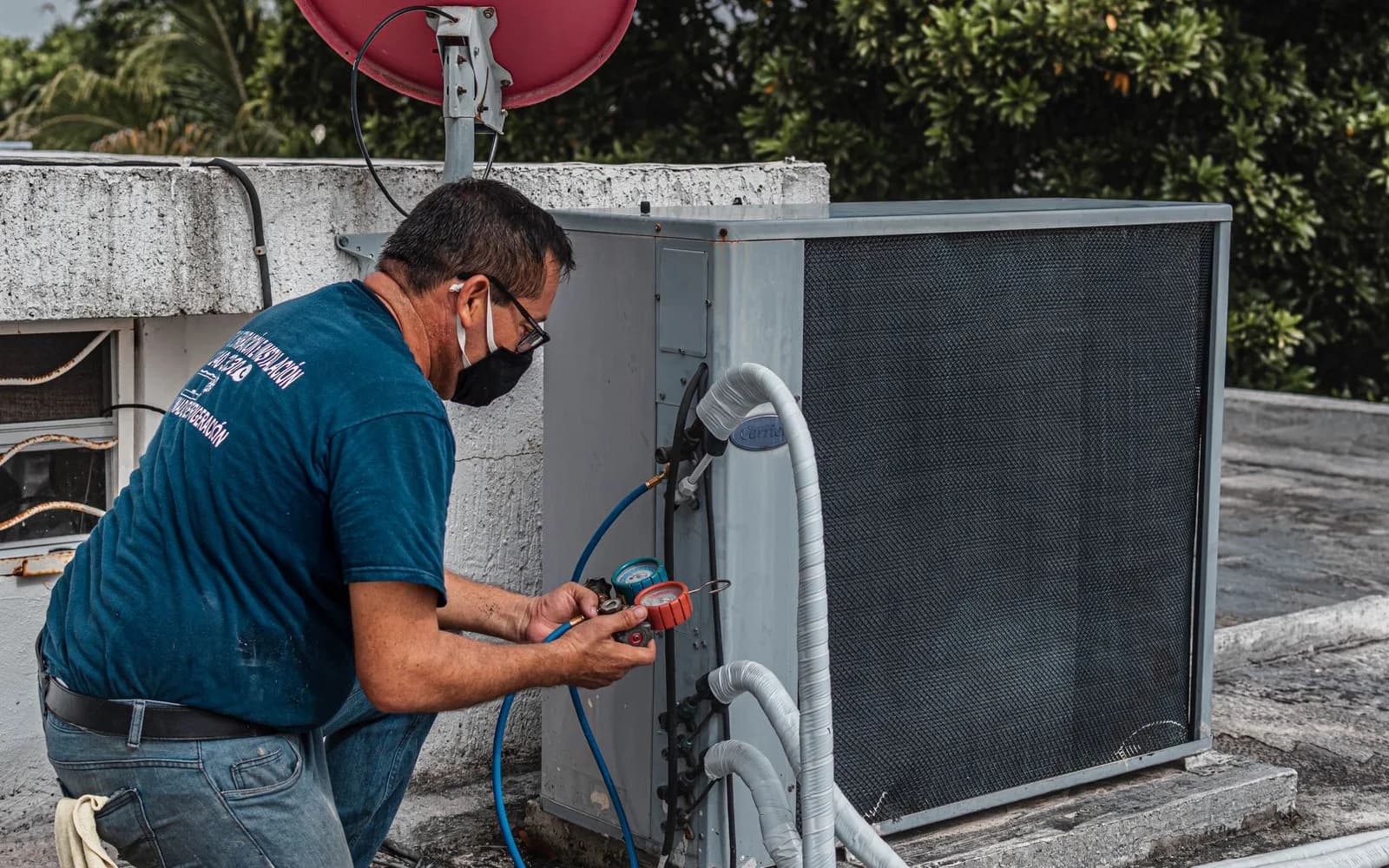
A thorough maintenance visit from a licensed HVAC technician should include:
### Electrical and Mechanical Checks
- Inspect and tighten electrical connections
- Test capacitors and contactors (common failure points in older units)
- Check the blower motor and fan blade condition
- Measure voltage and amperage on motors
### Refrigerant System
- Check refrigerant charge (low refrigerant is a top cause of poor cooling and compressor damage)
- Inspect for refrigerant leaks
- Verify suction and discharge pressures
### Coil and Drainage
- Clean the evaporator coil (indoor unit)
- Clean the condenser coil (outdoor unit) — Toronto's environment means pollen, cottonwood, and debris build up quickly
- Clear and flush the condensate drain line (a blocked drain can cause water damage and mould growth)
### Airflow and Thermostat
- Check and replace the air filter if needed
- Verify airflow across all zones
- Test thermostat calibration and operation
---
What You Can Do Between Professional Visits
Homeowner maintenance doesn't replace a professional tune-up, but it significantly extends the time between service calls and keeps your system running cleanly.
1. Replace Your Air Filter Regularly
This is the single highest-impact thing you can do. In a Toronto home with pets or high dust levels, a 1-inch filter may need replacement every 30–45 days. A 4-inch media filter can go 6–12 months. A clogged filter starves the system of airflow, making the AC work harder and risking freezing the evaporator coil.
2. Keep the Outdoor Unit Clear
Trim vegetation back at least 60 cm from all sides of the condenser unit. Check after storms for debris. Never stack items against or on top of the unit. Restricted airflow to the condenser causes the compressor — the most expensive component — to work under excessive heat.
3. Keep Vents Open and Unobstructed
Closing vents in unused rooms doesn't save energy — it creates pressure imbalances that strain the system. Make sure supply and return vents are open and not blocked by furniture.
4. Check the Condensate Drain
Locate the condensate drain line (typically a PVC pipe near your indoor air handler) and pour a cup of white vinegar down it every few months during cooling season. This prevents algae buildup that causes blockages and water overflow.
---
Signs Your AC Needs Service Now
Don't wait for your scheduled tune-up if you notice:
- Warm air from supply vents when the thermostat is set to cool
- Ice forming on the refrigerant lines or indoor coil
- Grinding, squealing, or rattling sounds from either unit
- Water around the indoor air handler (sign of a blocked drain or frozen coil)
- Short-cycling — the system turns on and off every few minutes
- Noticeably higher hydro bills without a change in usage
---
Toronto-Specific Considerations
Cottonwood season (typically late May to June) can clog outdoor condenser coils faster than homeowners expect. If your unit is near a cottonwood tree, check the coil and gently rinse it with a garden hose before the first hot stretch.
Older Toronto homes (especially those in neighbourhoods like the Annex, East York, or Leaside) often have ductwork installed for heating that wasn't designed with central AC in mind. Poor duct sealing means cooled air leaks before it reaches living spaces. A technician can assess duct leakage as part of a comprehensive tune-up.
Condos and townhouses in the GTA have their own considerations — fan coil units, building chilled water systems, and package terminal units each have different maintenance requirements. Confirm your technician has experience with the specific system type in your building.
---
How Often Should AC Maintenance Happen?
For a standard central air system: once per year, ideally in spring. If you're running a heat pump (which operates year-round for both heating and cooling), twice-yearly service is standard — once in spring and once in fall.
---
FAQ
Q: Can I clean the condenser coil myself?
A: You can gently rinse the outside of the condenser fins with a garden hose on a low setting, spraying from the inside out. Avoid pressure washers, which bend the delicate fins. Deep coil cleaning with chemical coil cleaner is best left to a technician.
Q: My AC is cooling but the house still feels humid. Is that a maintenance issue?
A: Possibly. An oversized AC unit, a low refrigerant charge, or a dirty evaporator coil can all reduce the system's ability to remove moisture. A technician can diagnose whether it's a maintenance issue or a sizing problem.
Q: How long does an AC tune-up take?
A: A thorough professional maintenance visit typically takes 60–90 minutes for a standard central air system.
Q: My AC is 12 years old. Should I still maintain it or start planning for replacement?
A: Keep maintaining it — skipping maintenance on an aging unit accelerates wear. At the same time, start budgeting for replacement. Most central AC units last 15–20 years with proper care; 12 years is mid-life, not end-of-life.
Q: Does AC maintenance affect my warranty?
A: Many manufacturer warranties require documented annual maintenance. Skipping it can void coverage — check your warranty documentation.